MBoK Publication 001: Companion Guide to ISO 55001 is published by the Asset Management Council to assist asset management practitioners in understanding the implementation of ISO 55000 and specifically ISO 55001.
This document is designed to:
- provide clarity on the scope of the ISO 5500X Suite of Standards;
- assist with the interpretation of requirements of the standards;
- provide guidance to organisations on typical criteria evidence to meet the requirements of ISO 55000 and 55001; and
- act as a record of the current status of requirements for the purpose of collecting broader stakeholder input.
This guide is not intended to provide specific industry sector applications or audit criteria.
About the Publication
An important part of the Asset Management Council’s work over 2012 / 2013 has been our active participation in the ISO committee (ISO PC 251); these standards will have significant implications for our members and industry in general, both in Australia and overseas. The Asset Management Council intends to be in the fore front of assisting members and the broader industry in the implementation of these ISO standards, including the development of tools such as his Companion Guide to ISO 55001. We commend this practical guide to you as a key source of advice on applying the ISO standards to your organisation.
The Asset Management Council is also able to bring a different perspective to ISO 55001, via a framework in which asset management can be understood and implemented, namely:
- Asset Management Concept Model;
- Asset Management System Model;
- Organisational Systems Model; and
- Capability Delivery Model (refer to Annex C).
These models combine to form a comprehensive asset management framework as a reference for asset management professionals and organisations (see back cover). For more information on the Framework for Asset Management, refer to the AMBoK Publication 000: Framework for Asset Management (2nd edition).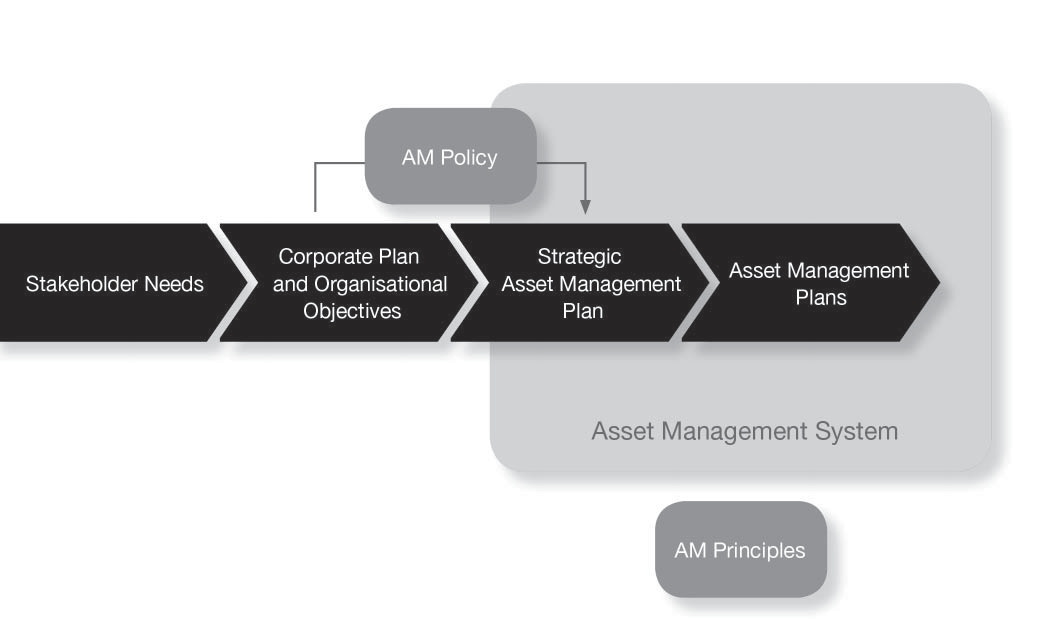
Figure 1: Organisational alignment between the stakeholder needs and the Asset Management System Requirements (Lafraia, JR & Hardwick,J. Living Asset Management)
Assurance
The need for assurance arises from the need to effectively govern an organisation. Assurance applies to assets, asset management and the asset management system.
Stakeholders require surety that assets and the associated management system can and will deliver what is required of them. To achieve this surety, senior management regularly reviews the processes that link organisational objectives to the required business functions and the performance of both the asset management system and the assets.
Leadership
Leadership and commitment from all levels of management is essential for successfully establishing, operating and improving asset management within the organisation. The leadership style of an organisation should support both the achievement of organisational objectives and the relationship to the actions of employees. For asset management to be successful, employees should understand these objectives, and their role in achieving them. Such commitment should ideally come from all levels of the organisation.
Regular consultation with employees and service providers about changes or improvements to the asset management system is important as employees must be competent in completing their responsibilities, whilst working toward the collective organisational outcomes and goals.
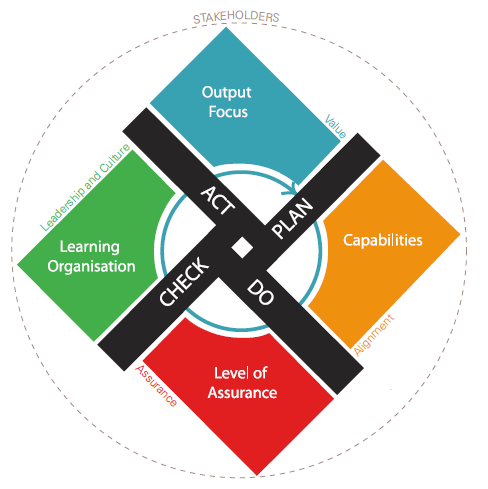
Figure 2 – Asset management fundamentals
Figure 2 illustrates the application of the Fundamentals within asset management. The Model in Figure 2 also shows the direct relationship between the ISO Fundamentals and the AM Council Key asset management Principles.
Overview of ISO 55001 Asset management – Management systems – Requirements
This Standard specifies the various requirements for an asset management system. Any organisation either establishing or having an established asset management system, can adopt this standard.
However, should an organisation seek Certification, the organisation must determine which assets are subject to Certification using ISO 55001.
This Standard is primarily intended for use by several different groups of people, both internal and external to the organisation, including those involved directly with the asset management system, those involved with asset management activities in general, as those needing to meet various organisational requirements (e.g. legal, regulatory, contractual etc.).
Asset Management System
ISO 55001 describes the key components of an asset management system. In brief, an asset management system is used to direct, coordinate and control asset management activities. It provides improved risk control and assures the achievement of asset management objectives on a consistent basis.
However, not all asset management activities can be formalised through an asset management system; for example, aspects such as culture, motivation, etc. are not managed through the asset management system, but they have significant influence on the achievement of asset management objectives. The elements of the asset management system should be viewed as a set of tools, which includes: policies, plans, business processes and information systems, which are integrated to enable an assured delivery of asset management activities.
Figure 3, from the AM Council AMBoK book illustrates the relationship between the elements of the asset management system.
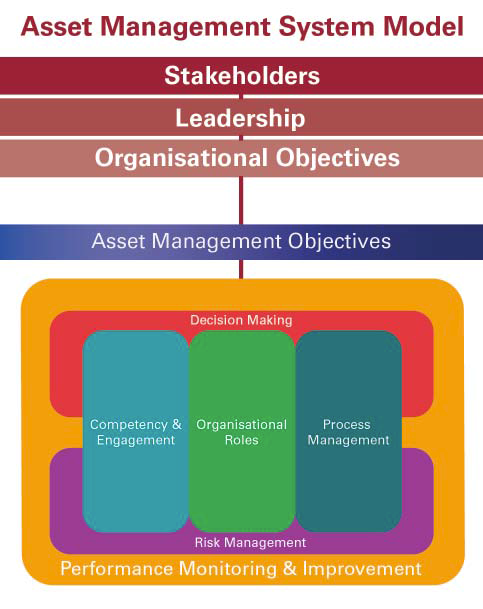
Figure 3 – Asset Management System
Industry Specific Information
The IEC TC 56 Dependability committee is currently in the process of developing a Technical Specification that documents the relationship between ISO 55000 and ISO 55001 to the IEC Dependability Standards and the International Financial Reporting Standards. This technical specification document is expected to be available in June 2014.
A number of Asset Management Council members are participating in the development of this specification.
This technical specification is intended to provide a number of benefits to enable industry specific guidelines to be developed, using a common structure and common technical and financial terminologies.
ISO 55002 – Management systems – Guidelines for the Application of 55001
This guide will not cover this portion of the standard.