- This event has passed.
Christchurch – Inland and Coastal Water Assets – Supporting Economic Development – Te Waipounamu
Join us for an insightful discussion on water assets in Te Waipounamu. We’ll hear from speakers sharing practical insights into the role of water assets in supporting local and regional growth:
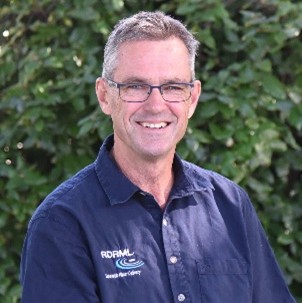
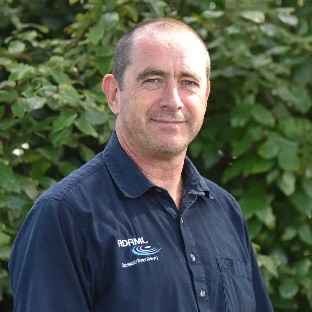
- Rangitata Diversion Race – Applying Asset Management Strategy – Kees Bentjes (Engineering Manager) and Tony McCormack (Chief Executive)
- Marine Asset Management at Lyttleton Port Company – William Campbell (Engineer – Ports and Coastal Marine, WSP) and Tristan Williams (Head of Maintenance and Security,
A special thank you to Beca for generously hosting this event at their Christchurch office.
Don’t miss this opportunity to connect, learn, and discuss how asset management supports sustainable economic development across inland and coastal environments.
The event will be held at the Beca Offices in Christchurch and will also be streamed live for participants who wish to join remotely.
Marine Asset Management at Lyttlelton Port Company
Asset management of aging marine structures is vital to maintain operations within a port. Lyttelton Port Company (LPC), like many ports, has a diverse range of assets, with some structures dating back to the 1800’s and the newest structures being completed in 2020. Over time there has been changes in shipping and operations, with many structures currently being used for vessels and traffic that was never intended. However, with time pressures, ever changing trade demands, sustainability and large capital costs; extending the life of existing assets, rather than replacement, is often the pragmatic and preferred option. This presentation discusses the overall annual asset management program at LPC that has been developed and implemented over the last 20+ years through close collaboration between WSP (previously Opus) and LPC and how it has improved the operational efficiency at the port

Rangitata Diversion Race – Applying Asset Management Strategy
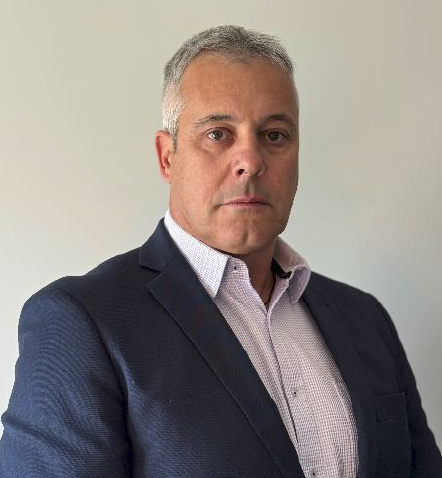
Built in 1944 as public infrastructure, then privatised in 1990, the RDR has a chequered history of great engineering, pro-active, reactive, precise and not-so-precise maintenance and renewal. Picking up 80 years of incomplete information and an uncertain future to form asset management tactics and consider funding has interesting challenges. We highlight some of these within the overview of this unique infrastructure.