

- This event has passed.
Webinar – Transportation and Higher Education: Learning from Moving Objects
Join us to explore transportation and higher education: learning from moving objects, featuring:
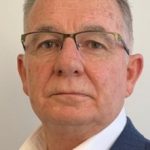 Douglas Crombie is Senior Planner at Transdev Sydney Ferries, where he has worked for more than a dozen years. Mr. Crombie started his career in the Royal Australian Air Force and has more than 40 years combined asset management experience in aerospace, military, telecommunications, transport and other industries. The past 17 years have been focused on maritime asset management. He advocates data-driven decision making, structured communication and teamwork. Mr. Crombie has a proven track record in leading digital transformations – optimizing EAM systems, integrating analytics platforms and fostering cross-functional collaboration.
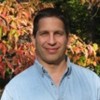 Kenny Seeton, Director of Central Plant Operations, California State University Domingo Hills, manages a team of ten employees responsible for heating, cooling, and maintaining approximately 1.5 million square feet of classroom and office space on campus. He also oversees Central Plant equipment. As the campus energy director, he leads initiatives in sustainability, lighting retrofits, MBCx on buildings, and HVAC optimization and controls. In July of 2024 we installed the largest heat pump project on the west coast (630 tons). This system reduced our Central Plant gas usage by 95%. He works with staff and students to develop innovative ways to increase comfort and reduce energy consumption. His efforts have helped reduce CSUDH’s GHG emissions by over 50% and earned 5 CHESC Best Practice Awards. Mr. Seeton will present annual energy cost savings of US$250,000 from an AI approach to asset management.
The presentations will be followed by a Discussion Panel with Douglas Crombie, Kenny Seeton, Nick Phillips, Mike Bordenaro and Peter Kohler to answer your questions!
Click here to register